






UNLOCKED The finance brief

Priceless lessons for CFOs

What breaks first when your volume doubles?

  • 5long reads, with interactive graphics
  • 11speakers, from CFOs to founders and an investor
  • 6chapters, one big idea each
  • Ronald KemmerenPartner at Smile Sail
  • André KwakernaatCo-founder of Twinfield
  • Uwe van RensburgCFO of Goboony and Yescapa
  • Patrick RoozemanCEO of MultiTankcard
  • Marinda van HarskampFounder of Hudifine

Recorded at Finance Unlocked, hosted by Actuals, 22 September 2026, Fort Voordorp

In this issue

Contents

5 long reads with interactive graphics, and 1 interactive session. Start anywhere.

  1. 01 Long read · 7 min readNot what they say, who they hirePeter Engel, CEO Actuals, plus Actuals Research Read
  2. 02 Long read · 10 min readYour team owns what AI producesRonald Kemmeren, Partner at Smile Sail Read
  3. 04 Long read · 11 min readA payment is not money in the bankBram van Kessel and Sven Liefting, Actuals Read
  4. 05 Long read · 10 min readPut finance at the start of the processPatrick Roozeman, Uwe van Rensburg and Marinda van Harskamp, moderated by Peter Engel Read
  5. 06 Long read · 8 min readHiring won't fix what finance can't seePeter Lem, CTO Actuals, and Arturo Arpón, Helloprint Read

Chapter 01 · Opening and research

Only 2 of 10 are hiring to build data into finance

With Peter Engel, CEO Actuals, plus Actuals Research

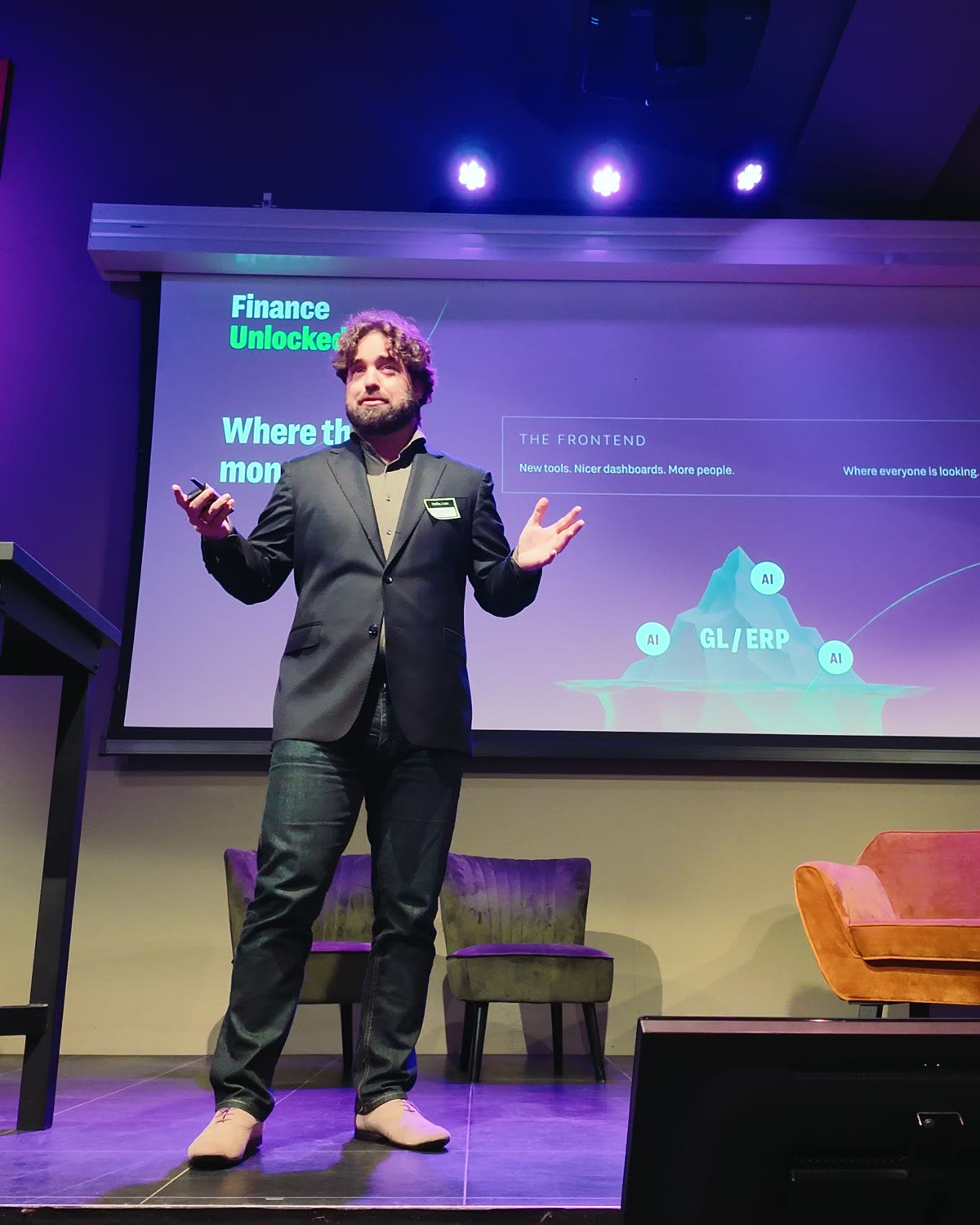
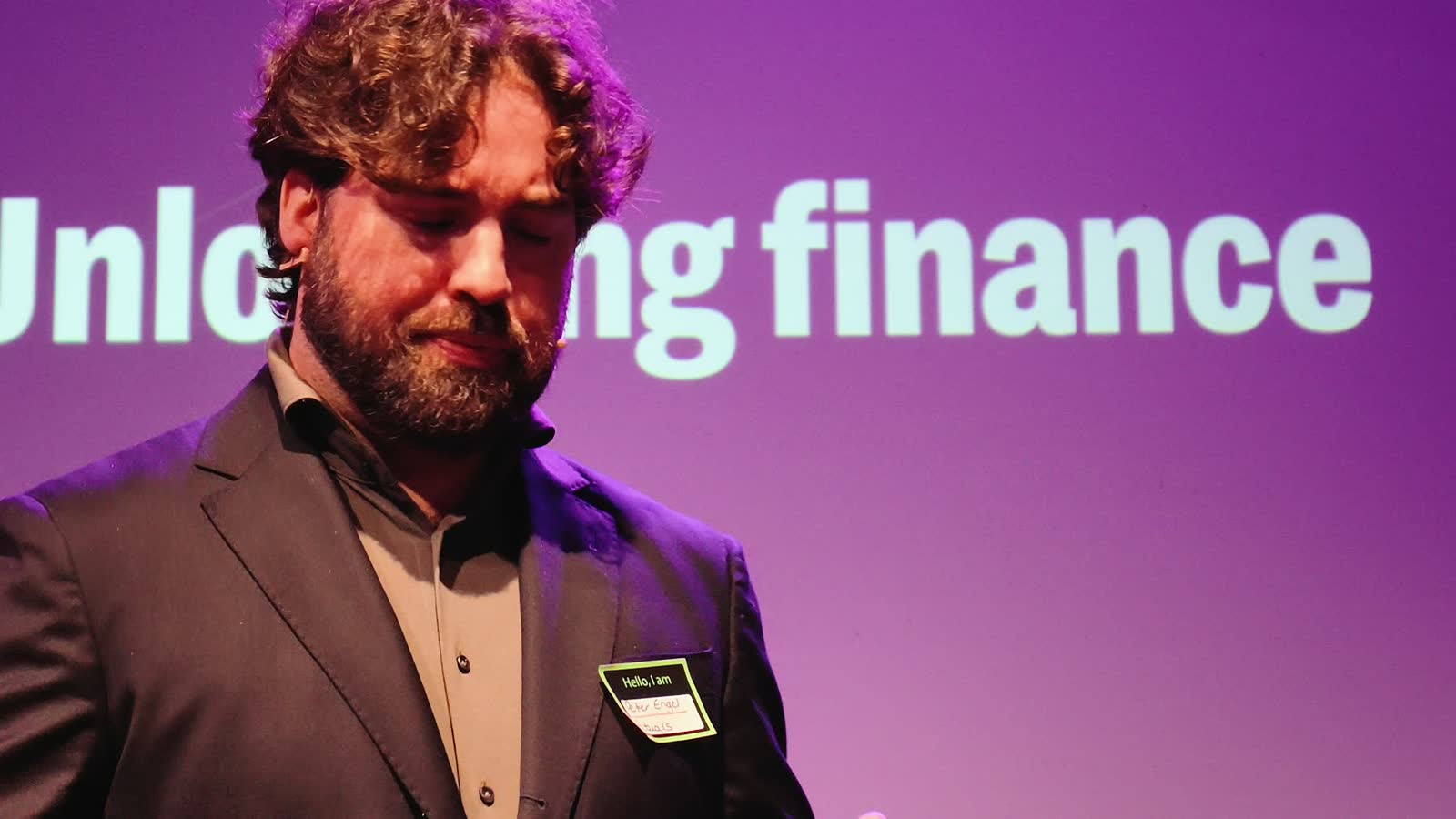
Peter Engel opened the day with what Actuals sees in the market. Its own research into 10 large Dutch e-commerce companies found only 2 hiring to build data and systems into finance.

The full story · 7 min readNot what they say, who they hireRead the article

In a hurry? The 3 key lessons are below

Share this chapter

  1. 1

    AI without ready data gets scrapped.

    Through 2026, Gartner expects organisations to abandon 60 percent of AI projects that lack AI-ready data.

    Gartner, February 2025

  2. 2

    The ambition is everywhere. The foundation is not.

    87 percent of North American CFOs expect AI to be very or extremely important to their finance team in 2026. Yet when Actuals read the open finance roles of 10 large Dutch e-commerce companies, only 2 were hiring people to build data and systems into finance.

    Deloitte CFO Signals, Q4 2025; Actuals Research, June and July 2026

  3. 3

    Look at who a company hires, not at what it says.

    Hiring shows the plan long before the figures do. 7 of the 10 companies hire to keep the current machine running. 1 is barely hiring in finance at all.

    Actuals Research, June and July 2026

60%

of AI projects without AI-ready data will be abandoned through 2026

Gartner
87%

of North American CFOs call AI very or extremely important for finance in 2026

Deloitte
2 of 10

large Dutch e-commerce companies are visibly hiring to build data and systems into finance

Actuals Research

The full story · 7 min readNot what they say, who they hireActuals read the open finance roles of 10 large Dutch e-commerce companies. Only 2 are hiring to build data and systems into finance. With an interactive graphic and a self-scan for your own team.ResearchRead the full research

Found this useful? Share this chapter

Chapter 02 · Keynote

Your team owns what AI produces

With Ronald Kemmeren, Partner at Smile Sail

Ronald is co-founder of Smile Sail, a fund that invests in software and AI companies. His own team went through AI adoption this year. His message: the tools are not the hard part. People, habits and ownership are.

The full story · 10 min readYour team owns what AI producesRead the article

In a hurry? The 5 key lessons are below

Share this chapter

"I wish you all good luck."

That was how one CFO launched AI in his finance team, Ronald said: everyone got Microsoft Copilot, and nothing happened. The market moves at 2 speeds: some companies build their own agents, others are further behind.
  1. 1

    Leadership has to lift AI from islands to the whole team.

    Across Smile Sail's portfolio everyone knew about AI, but people were figuring it out "on their own little island". That is hard to scale without leadership stepping in.

    Keynote, 07:05

  2. 2

    Expect people to drop AI when it gets busy.

    When Ronald's own team got busy in May, they stopped using AI. In June and July their use went up again. Those were the months they trained together and built their own agents.

    Keynote, 10:01

  3. 3

    Name champions and make building fun.

    Make it a CEO topic, name 1 AI champion at C-level, let one grow in each team, and run hackathons. It's not about what people build, but how they build it.

    Keynote, 22:53

  4. 4

    Count the 10 times, not the first time.

    Don't judge an agent by the effort of building it once. Look at the saving over the 10 times you do the task, such as accrual estimates, collections or credit-risk signals.

    Keynote, 33:44

  5. 5

    Your team owns what it sends you.

    AI can produce endless output, so reviewing it is where people struggle. In a test by a vendor, the same request went to 3 different AI models. The specialised data tool scored 85 percent; the others scored 25 and 50 percent. Even then, Ronald said, your team still needs to own the outcome.

    Keynote, 08:13 and 37:22

The full story · 10 min readYour team owns what AI producesRonald Kemmeren of Smile Sail watched his own team drop AI when work got busy. They picked it up again once they trained and built together. What he learned about moving a whole team, and why your team owns what AI produces. With an interactive graphic and a calculator for your own agents.

Check your own team

Who owns what AI produces in your finance team?

Quotes to share

Found this useful? Share this chapter

Chapter 03 · Breakout: AI in accounting

Connecting your books to AI is harder than it looks

With André Kwakernaat, Tibata, and Jennifer Kuiper

André, founder of Twinfield and now co-founder of Tibata with his son, showed what AI agents already do inside accounting firms. Together with Jennifer, a chartered accountant and educationalist, he showed what it means for your own role.

4 lessons below

Share this chapter

  1. 1

    Connecting an accounting system to AI is harder than it looks.

    Ask Exact's API for the open items of 31 December and you get today's. You need to know details like that. André expects many people to try connecting their books to AI themselves, and he says it is no simple job.

    Session André and Jennifer

  2. 2

    Put your expertise into the agents.

    André built his bookkeeping knowledge into Tibata's agents. That is why the system knows what a is.

    Session André and Jennifer

  3. 3

    15 sets of books, checked in a single Saturday.

    Last Saturday André checked 15 sets of books, for his son and people in his neighbourhood, and found the errors. They get a list of what to change, fix it, and he runs it again. He estimates it saves them thousands of euros in accountant fees.

    Session André and Jennifer

  4. 4

    AI literacy is now part of risk management.

    In the session they pointed out that since August this year, the AI rules come with supervision. If you can't show your team is AI literate, that needs attention. belongs with compliance, with clear frameworks and responsibilities.

    Session André and Jennifer

Watch and play

Watch André Kwakernaat and Jennifer Kuiper's full session, made interactive

The video pauses for questions, so you can test what you just heard. In English or Dutch.

Check your own team

Could you connect your accounting system to an AI tool today and trust the dates and balances it gets back?

Quotes to share

Found this useful? Share this chapter

Chapter 04 · Breakout: order-to-cash

A payment is not money in the bank

With Bram van Kessel and Sven Liefting, Actuals

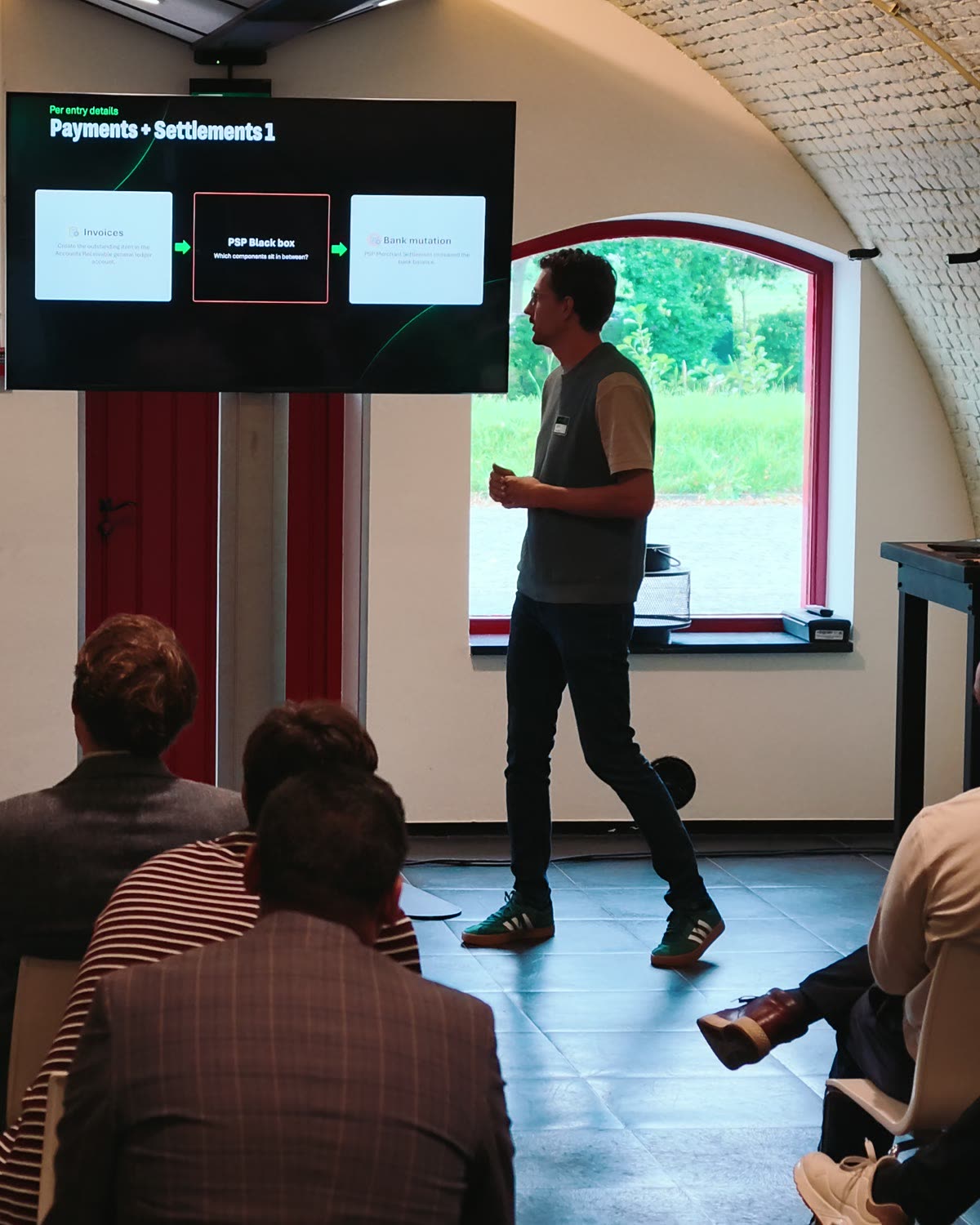
Bram walked the room from order to money in the bank, for companies with high volumes. Every handover between your shop, your payment provider and your bank is a place where the numbers can stop matching.

The full story · 11 min readA payment is not money in the bankRead the article

In a hurry? The 5 key lessons are below

Share this chapter

  1. 1

    A payment and the money in your bank are 2 separate steps.

    When a customer pays, they no longer owe you the money. Your does, until settlement moves it on to your bank.

    Breakout, 00:08 to 00:12

  2. 2

    Record every payment event, then work out the status.

    A stored status like "paid" can change, and you can miss events. Log every payment and refund, and you can show that nothing is missing.

    Breakout, 00:24

  3. 3

    Your payment provider is a black box.

    Between what customers pay and what reaches the bank sit refunds, , fees, currency conversion, reserves and holds, each with its own timing. As your volume grows, a provider may ask for bigger reserves.

    Breakout, 00:25 to 00:29

  4. 4

    Use your payment provider's balance report for accounting.

    It works like a bank statement per currency and shows every flow. Settlement reports come late, and payment reports miss later fees. Not every provider offers one, so ask.

    Breakout, 00:29 to 00:33

  5. 5

    Agree which truth you are talking about.

    Your shop, your and your bank each see different open items. The shop view runs on webhooks, which usually arrive, "but sometimes they don't". Miss one and the statement is wrong.

    Breakout, 00:38 to 00:39

The full story · 11 min readA payment is not money in the bankA payment provider sits between your checkout and your bank, with its own fees and its own timing. Actuals showed how to keep your books straight through it. With an interactive graphic: follow a payment from checkout to bank.

Self-test from the breakout

How many of these are true for your team?

Tick what applies.

Quotes to share

Found this useful? Share this chapter

Chapter 05 · Panel

Design finance from what happens in the business

With Patrick Roozeman, Uwe van Rensburg and Marinda van Harskamp, moderated by Peter Engel

Patrick Roozeman runs fuel and charging cards at MultiTankcard, with about 700,000 users. Uwe van Rensburg is CFO of the camper rental marketplace Goboony and Yescapa. At Hudifine, Marinda van Harskamp designs the financial backbone before companies move to an ERP.

The full story · 10 min readPut finance at the start of the processRead the article

In a hurry? The 6 key lessons are below

Share this chapter

  1. 1

    Design from the business event.

    Marinda starts with each event in the business and asks what it means financially. Like drilling a tunnel in Switzerland, she works from both ends: the event on one side, the report you need on the other. Then she connects the middle.

    Panel, 02:28 and 13:40

  2. 2

    Report the exceptions, not the totals.

    Patrick wants every amount on an invoice, even a 10 euro line, linked to the exact transaction behind it. Once that holds, the monthly report only shows what you didn't expect.

    Panel, 11:10

  3. 3

    Put finance at the start of the process.

    Today finance collects data at month-end and repairs mistakes made earlier. Patrick turns it around: what does staying in control mean for the steps before the report?

    Panel, 12:37

  4. 4

    Agree what your words mean.

    Uwe's team built a shared company context, so that revenue, cancellation and refund mean the same to everyone. "When someone says revenue, everyone knows what revenue means."

    Panel, 22:53

  5. 5

    You don't always need one big ERP.

    At Goboony and Yescapa the logic lives in the platform, which keeps changing. Their choice: a small ERP per entity, tooling to consolidate, and their own BI on top.

    Panel, 29:47

  6. 6

    Take the big bite.

    Book big blocks of time for change, in a regular rhythm. Otherwise the backlog keeps growing. You are building the track while the train is running.

    Panel, 15:51 and 17:02

4×

more transactions when a fuel card customer starts charging: about 4 charges a week, against filling up once

Patrick Roozeman
The full story · 10 min readPut finance at the start of the processPatrick Roozeman, Uwe van Rensburg and Marinda van Harskamp run finance where volumes are high. On the Finance Unlocked panel they explained why finance should be designed from the business event, and how to make that change while the company keeps running. With an interactive graphic: from business event to report.

Check your own team

Can you trace every amount on an invoice back to the exact transaction behind it?

Check your own team

When your team designs a finance process, where do you start?

Quotes to share

Found this useful? Share this chapter

Chapter 06 · Launch and customer story

Finance can't see the operational side of the company

With Peter Lem, CTO Actuals, and Arturo Arpón, Helloprint

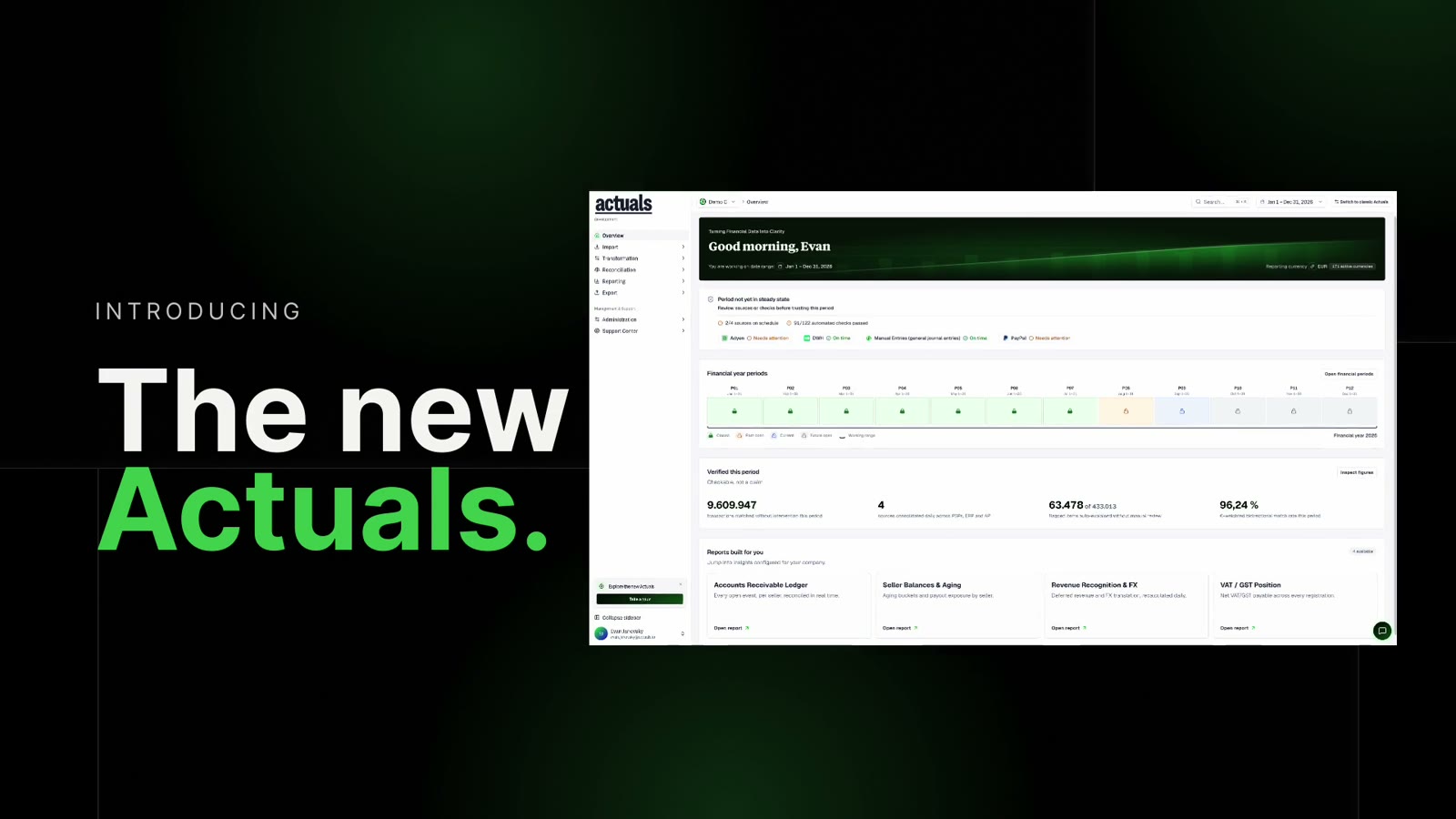
Peter Lem launched the new Actuals. Arturo Arpón showed what Helloprint found when it matched every supplier invoice line against its orders.

The full story · 8 min readHiring won't fix what finance can't seeRead the article

In a hurry? The 4 key lessons are below

Share this chapter

  1. 1

    Hiring more people doesn't fix it.

    As payment methods, entities and currencies grow, the reflex is to hire. Companies still got stuck: the close took longer, open items piled up and balances were written off.

    Launch, 43:58

  2. 2

    A gap tells you nothing until you know what is in it.

    A gap of 40,000 euros tells you nothing on its own. It could be a late payout, partial refunds or a bank transfer someone entered by hand. You need to see which.

    Launch, 45:41

  3. 3

    The value is hiding in the data.

    Helloprint handles more than a million order lines a year from over 200 suppliers, each with its own formats. Matching every invoice line against the purchase order surfaced more than 500,000 euros in net overcharges in 2025.

    Helloprint, slides 73 and 75

  4. 4

    Let AI agents work with your finance data.

    Actuals is working on , so AI agents can talk to the platform, for example to sort out unclear open items. Peter Lem calls it a roadmap item. Actuals already started on it together with Helloprint.

    Launch, 52:12

€500K+

net supplier overcharges found in 2025

Helloprint
€200K+

recovered from suppliers

Helloprint
€300K+

corrected in Helloprint's own books

Helloprint
The full story · 8 min readHiring won't fix what finance can't seePeter Lem launched the new Actuals at Finance Unlocked. The real problem, he said, is that finance can't see the operational side of the company. With an interactive graphic: what sits inside a 40,000 euro gap.

Check your own team

How do you check supplier invoices against purchase orders?

Quotes to share

Found this useful? Share this chapter

Checklist

Your Monday list

One line per chapter. Tick what your team already does. What's left is your agenda.

0 of 6 in place.

Get your list by email

ScanWill your finance hold when your volume doubles?Take the high-volume accounting scan and see where it breaks first.

Keep learning

Watch the session, test yourself, read the research

Finance Unlocked in 2 minutes

Know a CFO who should read this? Share the whole issue

Recorded at Finance Unlocked, hosted by Actuals, 22 September 2026, Fort Voordorp. Made by The Thought Leadership Company.